Bills · HR 1153
IN COMMITTEE· 119TH CONGRESS
House BillHR 1153MedicareRural conditions and development
Rural Physician Workforce Production Act of 2025
INTRO FEB 10· LAST ACTION FEB 10
READING
12MIN
COSPONSORS
10BIPARTISAN
READER REACTIONS0 TOTAL
NO VOTES YET · BE THE FIRST
- Introduced only
LEGISLATIVE PROGRESS
STEP 2 / 8Introduced
In Committee
Reported
Passed House
Passed Senate
Conference
To President
Became Law
WHAT THE BILL DOES
AI-writtenMany rural areas in the U.S. face severe shortages of healthcare providers, making it difficult for residents to access essential medical care. This bill matters because it directly addresses one of the barriers to increasing the rural physician workforce: the funding and capacity for training programs.
By providing specific, non-capped funding for rural training, the bill incentivizes hospitals to create or expand residency slots in these underserved areas. If this bill becomes law, it could lead to more doctors being trained in rural settings, which often increases the likelihood they will choose to practice in similar communities after graduation, ultimately improving healthcare access for millions. If it doesn't pass, the financial disincentives and capacity limitations for rural medical training programs are likely to continue, potentially worsening physician shortages in rural America.
KEY PROVISIONS
4AI-extractedPROVISION 01
Establishes a new "elective rural sustainability payment" for hospitals that train medical residents in rural locations.
This creates a dedicated and potentially more equitable funding stream specifically for rural medical training programs.
PROVISION 02
The payment amount for each rural-training resident is based on national median direct graduate medical education costs from 2015, adjusted annually for inflation.
Ensures a standardized and updated funding amount that reflects the actual costs of medical education, without being reduced by a hospital's Medicare patient load.
PROVISION 03
Residents supported by this new payment will not count against a hospital's existing limits (caps) on the number of residents eligible for other Medicare direct graduate medical education payments.
This removes a significant financial barrier, allowing hospitals to expand their rural training programs without negatively impacting their funding for other residency slots.
PROVISION 04
Allows urban hospitals to receive payments for residents training in rural locations, providing a full payment for those in formal rural tracks and a partial payment for other rural training.
This provision encourages a wider range of hospitals, including larger urban institutions, to contribute to the rural physician workforce pipeline.
SPONSORSHIP
1 + 10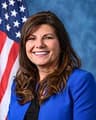
R· Tennessee
YRS IN OFFICE
5
BILLS LED
37
COSPONSOR BREAKDOWNBIPARTISAN · 80%
DEM 6 REP 4 IND 0
BILL INFO
TypeHouse Bill
NumberHR 1153
Congress119th
StatusIn Committee
IntroducedFeb 10, 2025
Last actionFeb 10, 2025
READER REACTIONS
OVERALL SENTIMENT
No reactions yet. Be the first to weigh in.
Discussion
Loading comments...
IN COMMITTEE· 119TH CONGRESS · WAYS AND MEANS COMMITTEE · INTRODUCED FEB 10, 2025
House BillHR 1153MedicareRural conditions and development
Rural Physician Workforce Production Act of 2025
INTRODUCED FEB 10, 2025· LAST ACTION FEB 10, 2025
PASSAGE CHANCES
—%
READING
12 min
COSPONSORS
10
COMPLEXITY
Moderate