Bills · HR 1110
REPORTED· 119TH CONGRESS
House BillHR 1110Environmental assessment, monitoring, researchForests, forestry, trees
Grazing for Wildfire Risk Reduction Act
INTRO FEB 7· LAST ACTION JAN 8
READING
2MIN
COSPONSORS
10
READER REACTIONS0 TOTAL
NO VOTES YET · BE THE FIRST
- Reported, not passed
LEGISLATIVE PROGRESS
STEP 3 / 8Introduced
In Committee
Reported
Passed House
Passed Senate
Conference
To President
Became Law
WHAT THE BILL DOES
AI-writtenWildfires pose a significant threat to communities, ecosystems, and air quality across the United States, especially in dry regions. This bill matters because it proposes a new approach to help manage and reduce the risk of these devastating fires by utilizing livestock.
If this bill becomes law, federal land managers would be required to actively look for and create more opportunities to use grazing as a tool to clear away excess vegetation that acts as fuel for fires. This could lead to fewer catastrophic wildfires, less smoke, and potentially lower costs for fire suppression. Without this bill, the current processes for utilizing grazing for wildfire mitigation might remain less streamlined and underutilized, meaning that a potential natural and cost-effective method for fuel reduction may not be fully explored or implemented, and communities might continue to face the increasing threat of intense wildfires.
KEY PROVISIONS
5AI-extractedPROVISION 01
Requires the Secretary of Agriculture to develop a strategy to use livestock grazing for wildfire risk reduction.
This establishes a formal, coordinated effort across federal lands to leverage grazing as a tool against wildfires.
PROVISION 02
Allows quicker environmental reviews for grazing on vacant federal land during emergencies like drought or wildfire.
Helps ensure animals can access forage during crises and can quickly be used to reduce fire fuels in needed areas.
PROVISION 03
Promotes the use of targeted grazing to reduce wildfire fuels and control invasive annual grasses.
Directs livestock to specific high-risk areas to remove vegetation that could otherwise feed a fire.
PROVISION 04
Increases the use of temporary permits to facilitate targeted fuel reduction.
Provides flexibility for land managers to quickly deploy grazing as needed for specific, short-term wildfire mitigation projects.
PROVISION 05
Encourages grazing as a strategy for post-fire recovery and restoration.
Helps land heal after a fire by managing new vegetation growth and preventing further erosion.
SPONSORSHIP
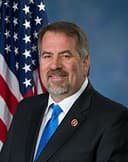
1 + 10
R· California
YRS IN OFFICE
13
BILLS LED
19
COSPONSOR BREAKDOWNBIPARTISAN · 40%
DEM 2 REP 8 IND 0
ACTION TIMELINE
7 EVENTSJAN 8
Reported (Amended) by the Committee on Natural Resources. H. Rept. 119-433, Part I.
MAR 7
Referred to the Subcommittee on Livestock, Dairy, and Poultry.
MAR 7
Referred to the Subcommittee on Forestry and Horticulture.
FEB 12
Committee Consideration and Mark-up Session Held
BILL INFO
TypeHouse Bill
NumberHR 1110
Congress119th
StatusReported
IntroducedFeb 7, 2025
Last actionJan 8, 2026
READER REACTIONS
OVERALL SENTIMENT
No reactions yet. Be the first to weigh in.
Discussion
Loading comments...
REPORTED· 119TH CONGRESS · AGRICULTURE COMMITTEE · INTRODUCED FEB 7, 2025
House BillHR 1110Environmental assessment, monitoring, researchForests, forestry, trees
Grazing for Wildfire Risk Reduction Act
INTRODUCED FEB 7, 2025· LAST ACTION JAN 8, 2026
PASSAGE CHANCES
—%
READING
2 min
COSPONSORS
10
COMPLEXITY
Moderate