Bills · HR 1085
IN COMMITTEE· 119TH CONGRESS
House BillHR 1085Research administration and fundingNational Institutes of Health (NIH)
CARGO Act of 2025
INTRO FEB 6· LAST ACTION FEB 6
READING
2MIN
COSPONSORS
29BIPARTISAN
READER REACTIONS0 TOTAL
NO VOTES YET · BE THE FIRST
- Introduced only
LEGISLATIVE PROGRESS
STEP 2 / 8Introduced
In Committee
Reported
Passed House
Passed Senate
Conference
To President
Became Law
WHAT THE BILL DOES
AI-writtenThis bill matters because it fundamentally changes how and where the U.S. government supports a significant portion of medical research, particularly studies involving live animals. If passed, it means American taxpayer dollars would no longer fund animal research conducted in other countries. This could shift substantial research funding back to institutions within the United States, potentially impacting domestic scientific jobs and infrastructure.
For voters concerned about the ethical treatment of animals, this bill offers a promise of tighter oversight for all NIH-funded animal research. However, for those who believe in global scientific collaboration and the importance of supporting the best research worldwide, regardless of location, this bill could be seen as a barrier to international partnerships and scientific progress. It changes whether U.S. funding for animal research is allowed to cross borders, impacting global research efforts and potentially centralizing certain types of animal studies within the U.S.
KEY PROVISIONS
3AI-extractedPROVISION 01
Prohibits the National Institutes of Health (NIH) from awarding any support for research or activities that use live animals unless that research occurs within the United States.
This directly halts NIH funding for all animal research conducted abroad, redirecting or eliminating that source of support.
PROVISION 02
Defines "United States" to include the several States, the District of Columbia, and any territory or possession of the United States, for the purpose of where research must occur.
This clarifies the geographical boundaries within which NIH-funded animal research would still be permissible.
PROVISION 03
Cites congressional findings that NIH provided approximately $2.2 billion to foreign organizations for animal research from fiscal year 2011 through 2021, and that NIH does not inspect these foreign organizations, relying on self-reported animal welfare information.
These findings provide the core justification and context for why the bill is being introduced, highlighting past spending and perceived oversight issues.
SPONSORSHIP
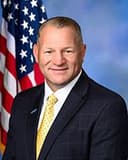
1 + 29
R· Texas
YRS IN OFFICE
5
BILLS LED
31
COSPONSOR BREAKDOWNBIPARTISAN · 55%
DEM 8 REP 21 IND 0
ACTION TIMELINE
2 EVENTSFEB 6
Introduced in House
FEB 6
Referred to the House Committee on Energy and Commerce.
BILL INFO
TypeHouse Bill
NumberHR 1085
Congress119th
StatusIn Committee
IntroducedFeb 6, 2025
Last actionFeb 6, 2025
READER REACTIONS
OVERALL SENTIMENT
No reactions yet. Be the first to weigh in.
Discussion
Loading comments...
IN COMMITTEE· 119TH CONGRESS · ENERGY AND COMMERCE COMMITTEE · INTRODUCED FEB 6, 2025
House BillHR 1085Research administration and fundingNational Institutes of Health (NIH)
CARGO Act of 2025
INTRODUCED FEB 6, 2025· LAST ACTION FEB 6, 2025
PASSAGE CHANCES
—%
READING
2 min
COSPONSORS
29
COMPLEXITY
Moderate