Bills · HR 1076
IN COMMITTEE· 119TH CONGRESS
House BillHR 1076Emergency Management
WARN Act
INTRO FEB 6· LAST ACTION FEB 6
READING
2MIN
COSPONSORS
41BIPARTISAN
READER REACTIONS0 TOTAL
NO VOTES YET · BE THE FIRST
- Introduced only
LEGISLATIVE PROGRESS
STEP 2 / 8Introduced
In Committee
Reported
Passed House
Passed Senate
Conference
To President
Became Law
WHAT THE BILL DOES
AI-writtenVoters should care about this bill because timely and clear emergency alerts can be crucial for public safety during severe weather like hurricanes, tornadoes, or blizzards. Currently, people might miss alerts, find them confusing, or receive them too late, which can put lives at risk.
If this bill becomes law, the study could pinpoint weaknesses in current alert systems and suggest practical improvements. This could lead to more effective warnings that help people protect themselves and their families. Without this bill, potential flaws in how we warn the public about weather emergencies might remain unaddressed, leaving communities more vulnerable to the impacts of increasingly unpredictable extreme weather.
KEY PROVISIONS
5AI-extractedPROVISION 01
Directs the Comptroller General to conduct a study on the effectiveness of emergency alerting systems at all government levels during weather-related emergencies.
This initiates a comprehensive review to identify how well current warning systems protect the public.
PROVISION 02
Requires the study to evaluate various alert mediums, including social media, for disseminating information like travel bans and power outages.
This assesses if modern communication channels are effectively used to deliver crucial emergency information.
PROVISION 03
Mandates an assessment of existing guidance and training for creating clear, relevant, and actionable emergency alert content.
This ensures that the messages people receive are easy to understand and provide useful instructions during emergencies.
PROVISION 04
Requires input from emergency managers, local officials, and community groups to determine potential improvements to public alerting systems, including outdoor sirens.
Incorporating feedback from those on the front lines ensures that recommended improvements are practical and address real-world challenges.
PROVISION 05
Requires the Comptroller General to submit a report on the study's findings to relevant Congressional committees within 18 months of the bill's enactment.
This sets a clear timeline for presenting the findings to lawmakers, facilitating potential future legislative action.
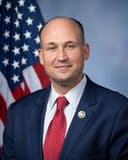
SPONSORSHIP
1 + 41
R· New York
YRS IN OFFICE
3
BILLS LED
48
COSPONSOR BREAKDOWNBIPARTISAN · 58%
DEM 29 REP 12 IND 0
ACTION TIMELINE
3 EVENTSFEB 6
Introduced in House
FEB 6
Referred to the House Committee on Transportation and Infrastructure.
FEB 6
Referred to the Subcommittee on Economic Development, Public Buildings, and Emergency Management.
BILL INFO
TypeHouse Bill
NumberHR 1076
Congress119th
StatusIn Committee
IntroducedFeb 6, 2025
Last actionFeb 6, 2025
READER REACTIONS
OVERALL SENTIMENT
No reactions yet. Be the first to weigh in.
Discussion
Loading comments...
IN COMMITTEE· 119TH CONGRESS · TRANSPORTATION AND INFRASTRUCTURE COMMITTEE · INTRODUCED FEB 6, 2025
House BillHR 1076Emergency Management
WARN Act
INTRODUCED FEB 6, 2025· LAST ACTION FEB 6, 2025
PASSAGE CHANCES
—%
READING
2 min
COSPONSORS
41
COMPLEXITY
Moderate