Bills · HR 1061
IN COMMITTEE· 119TH CONGRESS
House BillHR 1061Immigration
Protecting Sensitive Locations Act
INTRO FEB 6· LAST ACTION FEB 6
READING
14MIN
COSPONSORS
156
READER REACTIONS0 TOTAL
NO VOTES YET · BE THE FIRST
- Introduced only
LEGISLATIVE PROGRESS
STEP 2 / 8Introduced
In Committee
Reported
Passed House
Passed Senate
Conference
To President
Became Law
WHAT THE BILL DOES
AI-writtenThis bill matters because it addresses a long-standing concern that immigration enforcement actions near vital community hubs deter individuals, including children and families, from seeking necessary services. For instance, parents might hesitate to take a sick child to a hospital or attend a parent-teacher conference if they fear encountering immigration officers nearby. If this bill becomes law, it would provide a clear, legally binding framework to protect these areas, potentially increasing public health and safety by ensuring everyone feels secure accessing help.
Currently, there are existing policies (like the 'sensitive locations' policy) that guide immigration enforcement, but they are often administrative and can be changed. This bill would write these protections into law, making them more permanent and harder to alter without Congressional action. It would shift enforcement practices by requiring more justification and oversight for actions in specific areas, creating a more standardized approach and establishing clear consequences for violations, which could build trust in immigrant communities and improve overall public safety outcomes.
KEY PROVISIONS
5AI-extractedPROVISION 01
Establishes a 1,000-foot buffer zone around "sensitive locations" where immigration enforcement actions are generally prohibited.
This creates a clear physical boundary designed to protect individuals accessing crucial community services from immigration enforcement.
PROVISION 02
Requires immigration officers to cease enforcement actions and consult with a supervisor if they are uncertain about the existence of "exigent circumstances" at or near a sensitive location.
This ensures a higher level of review and accountability for enforcement actions in protected areas, preventing impulsive or unauthorized operations.
PROVISION 03
Stipulates that evidence obtained from enforcement actions violating these rules cannot be used in removal proceedings, and the affected individual can seek immediate termination of their case.
This provides a strong legal consequence for non-compliance, aiming to deter unauthorized enforcement actions by immigration officers.
PROVISION 04
Mandates annual training for specific immigration officials and their employees on compliance with these new sensitive location restrictions.
This ensures that officers are aware of and properly implement the new rules, promoting consistent and lawful enforcement practices.
PROVISION 05
Requires the Secretary of Homeland Security to report detailed information about any enforcement action taken at a sensitive location to oversight offices within 30 days.
This increases transparency and accountability for any enforcement actions that do occur in sensitive areas, allowing for public and governmental review.
SPONSORSHIP
1 + 156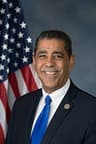
D· New York
YRS IN OFFICE
9
BILLS LED
47
COSPONSOR BREAKDOWNBIPARTISAN · 0%
DEM 156 REP 0 IND 0
ACTION TIMELINE
2 EVENTSFEB 6
Introduced in House
FEB 6
Referred to the House Committee on the Judiciary.
BILL INFO
TypeHouse Bill
NumberHR 1061
Congress119th
StatusIn Committee
IntroducedFeb 6, 2025
Last actionFeb 6, 2025
READER REACTIONS
OVERALL SENTIMENT
No reactions yet. Be the first to weigh in.
Discussion
Loading comments...
IN COMMITTEE· 119TH CONGRESS · JUDICIARY COMMITTEE · INTRODUCED FEB 6, 2025
House BillHR 1061Immigration
Protecting Sensitive Locations Act
INTRODUCED FEB 6, 2025· LAST ACTION FEB 6, 2025
PASSAGE CHANCES
—%
READING
14 min
COSPONSORS
156
COMPLEXITY
Moderate