Bills · HJRES 93
IN COMMITTEE· 119TH CONGRESS
House Joint Res.HJRES 93Foreign Trade and International Finance
Withdrawing approval of the Agreement Establishing the World Trade Organization.
INTRO APR 10· LAST ACTION JUN 12
READING
1MIN
COSPONSORS
5
READER REACTIONS0 TOTAL
NO VOTES YET · BE THE FIRST
- Introduced only
LEGISLATIVE PROGRESS
STEP 2 / 8Introduced
In Committee
Reported
Passed House
Passed Senate
Conference
To President
Became Law
WHAT THE BILL DOES
AI-writtenThis bill matters because it represents a fundamental change in the U.S.'s approach to international trade. If it becomes law, the U.S. would no longer be a part of the global system designed to reduce trade barriers, settle trade disputes, and ensure fair competition among member countries. This could lead to increased trade tensions, as other nations might retaliate with their own tariffs and restrictions against U.S. goods without the WTO framework to mediate.
Without the WTO, the U.S. would lose access to a formal mechanism for challenging unfair trade practices by other countries, potentially making it harder to protect American industries. On the other hand, it would also gain more freedom to impose its own tariffs and trade policies without fear of being challenged at the WTO. This change would have broad implications for the global economy, potentially leading to less predictable trade relations and a more fragmented international trade system.
KEY PROVISIONS
2AI-extractedPROVISION 01
The bill withdraws congressional approval of the agreement that established the World Trade Organization (WTO).
This action would formally signal the U.S. intent to leave the WTO, fundamentally changing its role in global trade.
PROVISION 02
It specifically references the Uruguay Round Agreements Act, which originally provided U.S. approval for the WTO Agreement.
This clarifies the legal mechanism by which the U.S. would undo its participation in the international body.
SPONSORSHIP
1 + 5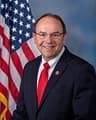
R· Wisconsin
YRS IN OFFICE
6
BILLS LED
17
COSPONSOR BREAKDOWNBIPARTISAN · 0%
DEM 0 REP 5 IND 0
ACTION TIMELINE
4 EVENTSJUN 12
Committee on Ways and Means discharged.
JUN 12
Placed on the Union Calendar, Calendar No. 125.
APR 10
Introduced in House
APR 10
Referred to the House Committee on Ways and Means.
BILL INFO
TypeHouse Joint Resolution
NumberHJRES 93
Congress119th
StatusIn Committee
IntroducedApr 10, 2025
Last actionJun 12, 2025
READER REACTIONS
OVERALL SENTIMENT
No reactions yet. Be the first to weigh in.
Discussion
Loading comments...
IN COMMITTEE· 119TH CONGRESS · WAYS AND MEANS COMMITTEE · INTRODUCED APR 10, 2025
House Joint Res.HJRES 93Foreign Trade and International Finance
Withdrawing approval of the Agreement Establishing the World Trade Organization.
INTRODUCED APR 10, 2025· LAST ACTION JUN 12, 2025
PASSAGE CHANCES
—%
READING
1 min
COSPONSORS
5
COMPLEXITY
Moderate