Bills · HJRES 108
IN COMMITTEE· 119TH CONGRESS
House Joint Res.HJRES 108Crime and Law Enforcement
Proposing an amendment to the Constitution of the United States providing that there is no immunity from criminal prosecution for an act on the grounds that such act was within the constitutional authority or official duties of an individual, and providing that the President may not grant a pardon to himself or herself.
INTRO JUL 22· LAST ACTION JUL 22
READING
4MIN
COSPONSORS
185
READER REACTIONS0 TOTAL
NO VOTES YET · BE THE FIRST
- Introduced only
LEGISLATIVE PROGRESS
STEP 2 / 8Introduced
In Committee
Reported
Passed House
Passed Senate
Conference
To President
Became Law
WHAT THE BILL DOES
AI-writtenThis bill addresses fundamental questions of accountability for those at the highest levels of government. If passed, it would clarify and solidify that even the President, Vice President, and members of Congress are subject to criminal law, regardless of whether their alleged actions were taken in an 'official capacity.' This is crucial because it would ensure that public servants cannot use the power of their office as a shield against potential illegal conduct.
Without this amendment, there remains legal uncertainty and ongoing debate about the extent of official immunity and the President's ability to pardon themselves, which some see as a loophole that could undermine the rule of law. Passing this amendment would close those potential loopholes, potentially restoring public confidence in the justice system's ability to hold all individuals, including the most powerful, equally accountable.
KEY PROVISIONS
4AI-extractedPROVISION 01
Removes immunity from criminal prosecution for federal officers, including the President, Vice President, and members of Congress, for acts committed within their official duties or constitutional authority.
This provision clarifies that top officials cannot use their position as a blanket defense against criminal charges, ensuring greater accountability.
PROVISION 02
Explicitly prohibits the President from granting a reprieve or pardon to themselves for offenses against the United States.
This provision resolves a long-standing legal question, preventing a president from using the pardon power to avoid personal criminal liability.
PROVISION 03
Maintains the 'Speech or Debate Clause' protections for Senators and Representatives, meaning they would still be immune from questioning for actions related to their legislative duties within Congress.
This ensures that legislative functions can continue without fear of politically motivated prosecution based on actions taken directly in their roles as lawmakers.
PROVISION 04
States that the amendment is 'self-executing,' meaning it takes effect immediately upon ratification without needing additional laws.
This ensures the amendment's provisions become binding as soon as it is ratified, preventing delays in implementation.
SPONSORSHIP
1 + 185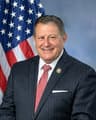
D· New York
YRS IN OFFICE
7
BILLS LED
37
COSPONSOR BREAKDOWNBIPARTISAN · 0%
DEM 185 REP 0 IND 0
ACTION TIMELINE
2 EVENTSJUL 22
Introduced in House
JUL 22
Referred to the House Committee on the Judiciary.
BILL INFO
TypeHouse Joint Resolution
NumberHJRES 108
Congress119th
StatusIn Committee
IntroducedJul 22, 2025
Last actionJul 22, 2025
READER REACTIONS
OVERALL SENTIMENT
No reactions yet. Be the first to weigh in.
Discussion
Loading comments...
IN COMMITTEE· 119TH CONGRESS · JUDICIARY COMMITTEE · INTRODUCED JUL 22, 2025
House Joint Res.HJRES 108Crime and Law Enforcement
Proposing an amendment to the Constitution of the United States providing that there is no immunity from criminal prosecution for an act on the grounds that such act was within the constitutional authority or official duties of an individual, and providing that the President may not grant a pardon to himself or herself.
INTRODUCED JUL 22, 2025· LAST ACTION JUL 22, 2025
PASSAGE CHANCES
—%
READING
4 min
COSPONSORS
185
COMPLEXITY
Moderate