Bills · HCONRES 81
IN COMMITTEE· 119TH CONGRESS
House Concurrent Res.HCONRES 81Labor and Employment
Recognizing the significance of equal pay and the disparity between wages paid to men and women.
This resolution officially recognizes the continuing pay gap between men and women and sets specific dates in 2026 to highlight how these wage differences impact women of different backgrounds and the overall economy.AI-written
INTRO MAR 26· LAST ACTION MAR 26
READING
8MIN
COSPONSORS
140
READER REACTIONS0 TOTAL
NO VOTES YET · BE THE FIRST
- Not a law
- Commemorative
tl;dr
AI-writtenEstablishes a calendar of 'Equal Pay Days' for 2026 to formally recognize that women earn significantly less than men, a gap that costs the U.S. economy over $1.1 trillion every year.
LEGISLATIVE PROGRESS
STEP 2 / 8Introduced
In Committee
Reported
Passed House
Passed Senate
Conference
To President
Became Law
WHAT THE BILL DOES
AI-writtenWhile this resolution does not change any laws, it matters because it puts official government data on the record regarding the economic health of women in the workforce. It highlights that the gender wage gap actually increased recently, which goes against the long-term trend of improvement. For voters, this serves as a baseline for future debates about the 'Paycheck Fairness Act' or other labor law changes.
If this becomes a standard point of recognition, it keeps the issue in the public eye and provides a specific calendar of dates for advocacy. If it is ignored, it may signal that the government is less focused on addressing the specific financial barriers that women—particularly women of color who face gaps as large as 42 cents on the dollar—face in the modern economy.
KEY PROVISIONS
3AI-extractedPROVISION 01
Establishes March 26, 2026, as Equal Pay Day.
It creates a specific date for national awareness of the time it takes for women to 'catch up' to men's previous-year earnings.
PROVISION 02
Lists specific Equal Pay Days for Latinas, Black women, Asian Americans, and other groups.
This acknowledges that the wage gap is not uniform and affects different racial and social groups with varying degrees of severity.
PROVISION 03
Formally cites the $1.18 trillion annual loss in wages due to the gender gap.
It frames the issue as a massive economic problem for the entire country, not just a personal issue for individuals.
SPONSORSHIP
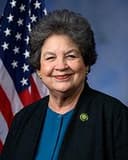
1 + 140
D· Florida
YRS IN OFFICE
13
BILLS LED
14
COSPONSOR BREAKDOWNBIPARTISAN · 0%
DEM 140 REP 0 IND 0
ACTION TIMELINE
2 EVENTSMAR 26
Submitted in House
MAR 26
Referred to the House Committee on Education and Workforce.
BILL INFO
TypeHouse Concurrent Resolution
NumberHCONRES 81
Congress119th
StatusIn Committee
IntroducedMar 26, 2026
Last actionMar 26, 2026
READER REACTIONS
OVERALL SENTIMENT
No reactions yet. Be the first to weigh in.
Discussion
Loading comments...
IN COMMITTEE· 119TH CONGRESS · EDUCATION AND WORKFORCE COMMITTEE · INTRODUCED MAR 26, 2026
House Concurrent Res.HCONRES 81Labor and Employment
Recognizing the significance of equal pay and the disparity between wages paid to men and women.
This resolution officially recognizes the continuing pay gap between men and women and sets specific dates in 2026 to highlight how these wage differences impact women of different backgrounds and the overall economy.AI-written
INTRODUCED MAR 26, 2026· LAST ACTION MAR 26, 2026
PASSAGE CHANCES
—%
READING
8 min
COSPONSORS
140
COMPLEXITY
Simple