Bills · HCONRES 8
IN COMMITTEE· 119TH CONGRESS
House Concurrent Res.HCONRES 8International Affairs
Expressing the sense of Congress that the United States should resume normal diplomatic relations with Taiwan, negotiate a bilateral free trade agreement with Taiwan, and support Taiwans membership in international organizations.
INTRO FEB 6· LAST ACTION FEB 6
READING
4MIN
COSPONSORS
38
READER REACTIONS0 TOTAL
NO VOTES YET · BE THE FIRST
- Not a law
- Commemorative
LEGISLATIVE PROGRESS
STEP 2 / 8Introduced
In Committee
Reported
Passed House
Passed Senate
Conference
To President
Became Law
WHAT THE BILL DOES
AI-writtenThis bill matters because it pushes for a fundamental shift in how the United States has conducted its foreign policy regarding Taiwan for decades. If the U.S. were to adopt these recommendations, it would officially recognize Taiwan as an independent nation, moving away from the 'One China Policy' that has underpinned U.S.-China relations since 1979. This could dramatically boost Taiwan's international standing and economic ties with the U.S. through a free trade agreement.
However, such a move would also be seen by China as a direct challenge to its sovereignty claims over Taiwan, potentially escalating tensions significantly between the U.S. and China. Voters should care because changes in U.S. foreign policy towards China and Taiwan can have major geopolitical consequences, impacting international trade, regional stability, and global power dynamics, which in turn can affect American economic interests and national security.
KEY PROVISIONS
5AI-extractedPROVISION 01
Recommends the President abandon the 'One China Policy' and recognize Taiwan as an independent country.
This would fundamentally change U.S. foreign policy towards Taiwan and China.
PROVISION 02
Advises the President to normalize diplomatic relations with Taiwan, including exchanging ambassadors.
This would establish formal government-to-government ties between the U.S. and Taiwan.
PROVISION 03
Urges the U.S. Trade Representative to begin negotiations for a free trade agreement with Taiwan.
This could significantly boost economic cooperation and trade between the two countries.
PROVISION 04
Calls for U.S. officials to advocate for Taiwan's full membership in the United Nations and other international organizations.
This would increase Taiwan's global presence and legitimacy on the international stage.
PROVISION 05
Suggests the President rescind guidelines that limit communication between U.S. and Taiwanese officials.
This would allow for more open and direct engagement between officials.
SPONSORSHIP
1 + 38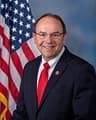
R· Wisconsin
YRS IN OFFICE
6
BILLS LED
17
COSPONSOR BREAKDOWNBIPARTISAN · 0%
DEM 0 REP 38 IND 0
ACTION TIMELINE
2 EVENTSFEB 6
Submitted in House
FEB 6
Referred to the Committee on Foreign Affairs, and in addition to the Committee on Ways and Means, for a period to be subsequently determined by the Speaker, in each case for consideration of such provisions as fall within the jurisdiction of the committee concerned.
BILL INFO
TypeHouse Concurrent Resolution
NumberHCONRES 8
Congress119th
StatusIn Committee
IntroducedFeb 6, 2025
Last actionFeb 6, 2025
READER REACTIONS
OVERALL SENTIMENT
No reactions yet. Be the first to weigh in.
Discussion
Loading comments...
IN COMMITTEE· 119TH CONGRESS · WAYS AND MEANS COMMITTEE · INTRODUCED FEB 6, 2025
House Concurrent Res.HCONRES 8International Affairs
Expressing the sense of Congress that the United States should resume normal diplomatic relations with Taiwan, negotiate a bilateral free trade agreement with Taiwan, and support Taiwans membership in international organizations.
INTRODUCED FEB 6, 2025· LAST ACTION FEB 6, 2025
PASSAGE CHANCES
—%
READING
4 min
COSPONSORS
38
COMPLEXITY
Moderate