Bills · HCONRES 45
IN COMMITTEE· 119TH CONGRESS
House Concurrent Res.HCONRES 45Civil Rights and Liberties, Minority Issues
Recognizing the need to improve physical access to many federally funded facilities for all people of the United States, particularly people with disabilities.
INTRO JUL 23· LAST ACTION JUL 23
READING
4MIN
COSPONSORS
16
READER REACTIONS0 TOTAL
NO VOTES YET · BE THE FIRST
- Not a law
- Commemorative
LEGISLATIVE PROGRESS
STEP 2 / 8Introduced
In Committee
Reported
Passed House
Passed Senate
Conference
To President
Became Law
WHAT THE BILL DOES
AI-writtenVoters should care about this bill because it signifies Congress's formal acknowledgement of ongoing accessibility challenges faced by millions of Americans, particularly those with disabilities. While it's a non-binding resolution and doesn't enact new laws or allocate funding, it sets a tone and expresses a collective commitment from elected officials.
If this resolution passes, it could influence how future infrastructure funding and projects are prioritized and designed, encouraging a proactive approach to universal accessibility from the start. This means new public buildings, roads, and transit systems could be built with everyone in mind, reducing barriers and fostering greater inclusion. If it doesn't pass, it means Congress hasn't made this formal statement, potentially sending a different signal about the urgency of improving access.
KEY PROVISIONS
4AI-extractedPROVISION 01
Congress formally recognizes that people with disabilities encounter daily barriers to access.
This provision provides official acknowledgment of a widespread and significant challenge faced by a large segment of the population.
PROVISION 02
Congress reaffirms its support for existing disability access laws, including the Architectural Barriers Act of 1968 and the Americans with Disabilities Act of 1990, and encourages full compliance.
It reinforces the importance of established legal frameworks for accessibility and encourages their enforcement.
PROVISION 03
Congress pledges to make universal and inclusive design a guiding principle for all future infrastructure bills and projects.
This commitment aims to ensure that new construction and renovation projects are planned from the outset to be accessible to everyone.
PROVISION 04
Congress pledges to continue working to identify and remove barriers that prevent equal access to services provided by the Federal Government.
This shows an ongoing commitment to improving accessibility beyond just new projects, addressing existing barriers.
SPONSORSHIP
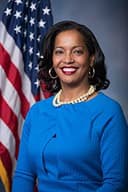
1 + 16
D· Connecticut
YRS IN OFFICE
7
BILLS LED
40
COSPONSOR BREAKDOWNBIPARTISAN · 0%
DEM 16 REP 0 IND 0
ACTION TIMELINE
4 EVENTSJUL 24
Referred to the Subcommittee on Economic Development, Public Buildings, and Emergency Management.
JUL 23
Submitted in House
JUL 23
Submitted in House
JUL 23
Referred to the Committee on Education and Workforce, and in addition to the Committees on the Judiciary, Transportation and Infrastructure, Energy and Commerce, and Oversight and Government Reform, for a period to be subsequently determined by the Speaker, in each case for consideration of such provisions as fall within the jurisdiction of the committee concerned.
BILL INFO
TypeHouse Concurrent Resolution
NumberHCONRES 45
Congress119th
StatusIn Committee
IntroducedJul 23, 2025
Last actionJul 23, 2025
READER REACTIONS
OVERALL SENTIMENT
No reactions yet. Be the first to weigh in.
Discussion
Loading comments...
IN COMMITTEE· 119TH CONGRESS · OVERSIGHT AND GOVERNMENT REFORM COMMITTEE · INTRODUCED JUL 23, 2025
House Concurrent Res.HCONRES 45Civil Rights and Liberties, Minority Issues
Recognizing the need to improve physical access to many federally funded facilities for all people of the United States, particularly people with disabilities.
INTRODUCED JUL 23, 2025· LAST ACTION JUL 23, 2025
PASSAGE CHANCES
—%
READING
4 min
COSPONSORS
16
COMPLEXITY
Moderate