Bills · HCONRES 31
IN COMMITTEE· 119TH CONGRESS
House Concurrent Res.HCONRES 31Crime and Law Enforcement
Expressing support for America's law enforcement professionals.
INTRO MAY 13· LAST ACTION MAY 13
READING
3MIN
COSPONSORS
12
READER REACTIONS0 TOTAL
NO VOTES YET · BE THE FIRST
- Not a law
LEGISLATIVE PROGRESS
STEP 2 / 8Introduced
In Committee
Reported
Passed House
Passed Senate
Conference
To President
Became Law
WHAT THE BILL DOES
AI-writtenThis bill matters because it represents a formal stance from a part of Congress on the value and needs of law enforcement. While it doesn't create new laws, it signals legislative priorities and what some members believe is essential for public safety and officer well-being. Voters should care because discussions around police funding, training, and safety directly impact their communities, crime rates, and how law enforcement operates.
If this bill passes, it would primarily be a symbolic gesture, but it could influence public discourse and future legislative efforts that do have real legal and financial impacts. If it doesn't pass, it means Congress has not formally expressed this specific sentiment, though individual members may still hold these views. It reflects ongoing debates about police reform, public safety, and support for those who serve in law enforcement.
KEY PROVISIONS
5AI-extractedPROVISION 01
Congress highly respects and values the Nation's law enforcement professionals and appreciates their work to protect and serve communities.
This formally expresses a supportive stance from Congress towards police officers.
PROVISION 02
Congress remembers and honors officers and their families who have experienced death or injury while on duty.
This acknowledges the significant sacrifices made by law enforcement officers and their families.
PROVISION 03
Calls for increased measures to maximize officer safety and well-being, including more policing personnel, improved training and equipment, and increased mental health resources for officers.
This outlines specific areas where Congress believes tangible improvements are needed to support law enforcement.
PROVISION 04
Calls for tough penalties for assaulting or killing a law enforcement professional.
This advocates for stronger legal consequences for crimes against police officers.
PROVISION 05
Calls on all levels of government to ensure law enforcement professionals receive the support and resources needed to keep America safe.
This broadens the call to action, urging federal, state, and local governments to provide comprehensive support for police.
SPONSORSHIP
1 + 12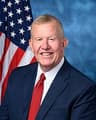
R· Mississippi
YRS IN OFFICE
3
BILLS LED
29
COSPONSOR BREAKDOWNBIPARTISAN · 16%
DEM 1 REP 11 IND 0
ACTION TIMELINE
2 EVENTSMAY 13
Submitted in House
MAY 13
Referred to the House Committee on the Judiciary.
BILL INFO
TypeHouse Concurrent Resolution
NumberHCONRES 31
Congress119th
StatusIn Committee
IntroducedMay 13, 2025
Last actionMay 13, 2025
READER REACTIONS
OVERALL SENTIMENT
No reactions yet. Be the first to weigh in.
Discussion
Loading comments...
IN COMMITTEE· 119TH CONGRESS · JUDICIARY COMMITTEE · INTRODUCED MAY 13, 2025
House Concurrent Res.HCONRES 31Crime and Law Enforcement
Expressing support for America's law enforcement professionals.
INTRODUCED MAY 13, 2025· LAST ACTION MAY 13, 2025
PASSAGE CHANCES
—%
READING
3 min
COSPONSORS
12
COMPLEXITY
Moderate